

Odisha Speeds Up Work on Khurda Road–Balangir Railway Line to Boost Regional Connectivity
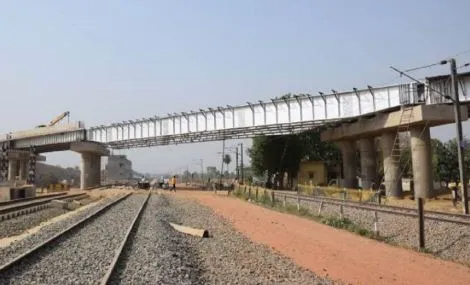
The 301-km rail project will link coastal and western Odisha, improve travel, support trade, and ensure wildlife protection through eco-friendly engineering.
Bhubaneswar: Odisha is moving closer to a major upgrade in its rail infrastructure with the 301-km Khurda Road–Balangir New Railway Line, a long-awaited project that aims to connect coastal Odisha with its western districts. Once completed, the line will improve mobility, expand market access, and support balanced socio-economic growth across the state.
The new railway line will directly benefit districts such as Nayagarh, Boudh, Sonepur, and Balangir by offering faster, safer, and more reliable travel. It will also enhance trade and transport opportunities for local businesses, helping boost regional development and create new economic linkages between the coast and the interior parts of Odisha.
The project involves some of the most complex railway engineering works in the region. The stretch between Dasapalla and Boudh, known for its uneven terrain, requires the construction of several tunnels, viaducts, deep cuttings, and high embankments. These features are essential to ensure smooth train operations and long-term safety. Multiple tunnels are already under construction, designed to maintain gentle gradients while keeping environmental impact to a minimum. Long viaducts are being built to ensure safe and uninterrupted connectivity across valleys, rivers, and forest areas.
One of the standout elements of the project is India’s second-longest railway viaduct, which is being built to seamlessly integrate with the upcoming Bhrutang irrigation project reservoir. This engineering marvel will support both transportation needs and water management in the region.
Environmental protection is another major focus of the project. The railway line includes several elephant underpasses and overpasses, along with dedicated wildlife corridors. These structures, planned in consultation with forest authorities, ensure that elephants and other wildlife can move freely without risk, reducing habitat fragmentation and lowering the chances of human–animal conflict. This makes the railway line a model for eco-friendly infrastructure development in India.
Once operational, the Khurda Road–Balangir railway line is expected to transform connectivity across Odisha. It will boost trade, reduce travel time, promote tourism—especially in forest and hill zones—and strengthen the overall rail network in eastern India. With its mix of modern engineering and strong environmental safeguards, the project stands out as one of the most important and future-ready railway developments in the region.