


Raipur–Visakhapatnam Economic Corridor to Transform Connectivity and Growth in Odisha’s Tribal Heartland
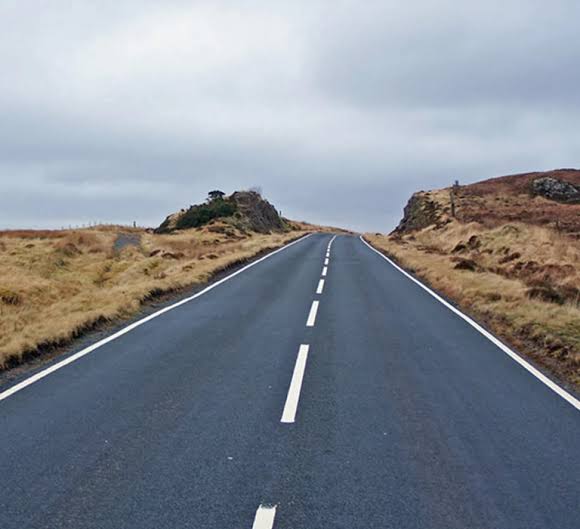
Six-lane greenfield highway to cut travel time, boost trade, and unlock economic opportunities in underdeveloped districts
Bhubaneswar: The upcoming six-lane Raipur–Visakhapatnam Economic Corridor (RVEC) is set to reshape connectivity and accelerate economic development across Odisha’s tribal belts as part of a major infrastructure push under the Ministry of Road Transport & Highways. Built at a total cost of Rs 16,482 crore, the greenfield corridor is expected to be completed by December 2026 and will create a faster, safer, and more efficient route between central India and the east coast.
One of the project’s biggest advantages is its dramatic reduction of both distance and travel time. The route between Raipur and Visakhapatnam, currently 597 km via NH-26, will be shortened to 465 km. Travel time will drop from nearly 12 hours to just 5, promising major savings in fuel, logistics costs, and vehicle maintenance for both transporters and private travellers.
In Odisha, the corridor passes through some of the state’s most remote and underserved districts—Borigumma, Nabarangpur, and Koraput. These regions, home to large tribal populations, have long suffered from isolation, limited market access, and slow economic mobility. The new corridor is expected to change this trajectory by linking them to industrial centres, emerging economic zones, and the Visakhapatnam Port, which will significantly boost export-led livelihoods.
Local communities are already witnessing the impact of improved connectivity. Farmers along the project route report a striking rise in land values. One resident noted that land which was once valued at around Rs 15 lakh per acre has now soared to nearly Rs 1.5 crore. This surge has brought optimism to villages that have historically struggled with limited economic opportunities. “Farmers here are genuinely happy,” he said, explaining how the highway is reshaping rural futures.
Transport operators are equally enthusiastic. Vishal, a lorry owner who frequently drives the Raipur–Vizag route, described the corridor as a game changer. Previously, the journey required one and a half days of driving with significant fuel consumption. Once the corridor opens, he expects to complete the trip in a single day. Reduced travel time means lower diesel use, faster turnaround for trucks, and less wear and tear—critical savings in a sector where margins are tight.
Beyond economic benefits, the corridor is also expected to improve road safety and provide more reliable mobility for tribal communities, many of whom rely on poorly maintained stretches of the existing two-lane NH-26. Designed for travel speeds up to 100 km/hr, the greenfield highway will ensure smoother transport of agricultural produce, essential goods, and emergency services across regions that have often remained disconnected.
The project has not been without emotional challenges. A farmer from Vizianagaram symbolised the mixed feelings experienced by many landowners: “At first, we felt sad to give our land for the highway. It was not easy. But now, as the corridor nears completion, we feel hopeful. Our land value has doubled, and we believe this development will bring more opportunities for our children.” Another farmer from Jami village echoed this sentiment, saying villagers now feel “happy and confident” about the new economic prospects emerging around them.
The RVEC is a flagship component of the PM Gati Shakti initiative, which aims to create seamless multimodal connectivity, reduce logistics costs, and integrate remote regions into India’s mainstream growth story. For Odisha, the project represents more than a transport upgrade—it is a long-awaited opportunity to unlock the potential of its tribal heartland, stimulate tourism, attract investment, and build a more inclusive economy.
With construction progressing rapidly and completion expected by late 2026, the Raipur–Visakhapatnam Economic Corridor stands poised to become one of eastern India’s most transformative infrastructure projects, reshaping livelihoods and strengthening the economic backbone of Odisha’s remote regions.