


Odisha to Scale Up Health Spending to 5% of GSDP in Long Term
Minister Mukesh Mahaling says state making steady progress in health budget allocation and expenditure
Bhubaneswar: The Odisha government has unveiled ambitious plans to strengthen public health financing, with steps underway to increase spending on the health sector from the current 2.4% of Gross State Domestic Product (GSDP) to 3% in the short term and eventually to 5% in the long term. Health and Family Welfare Minister Mukesh Mahaling informed the Assembly that the state is steadily moving towards ensuring robust and sustainable health infrastructure.
Over the past five years, Odisha’s budgetary allocation for the health sector has witnessed a consistent rise. The share of the state budget dedicated to health increased from 5.8% in 2020–21 to 7.8% in 2024–25, reflecting a stronger commitment to healthcare delivery.
The minister pointed out that actual expenditure has also kept pace with allocations. “During the last five years, the state achieved an average of 90% of the expenditure target in the health sector out of the total budget,” Mahaling said, underscoring that the allocated funds were not just on paper but translated into tangible action.
GSDP Growth and Health Investment
Linking economic growth with health spending, the minister shared comparative figures from the last five years. Odisha spent 1.8% of its GSDP on public health in 2020–21, 1.6% in 2021–22, 1.8% in 2022–23, 2% in 2023–24, and 2.4% in 2024–25.
During this period, Odisha’s GSDP grew from ₹5.4 lakh crore in 2020–21 to ₹9.49 lakh crore in 2024–25. In parallel, the state’s health budget nearly doubled, increasing from ₹9,468 crore in 2020–21 to ₹22,367 crore in 2024–25. This trajectory reflects how economic expansion has enabled greater investments in public health, which in turn is expected to fuel human development indicators.
Short-Term and Long-Term Roadmap
Mahaling emphasized that the government’s immediate focus is to raise health spending to 3% of the GSDP, with a long-term vision of reaching 5%. Such levels of investment, he said, are crucial to meeting rising healthcare needs, addressing emerging health challenges, and reducing disparities in access between rural and urban populations.
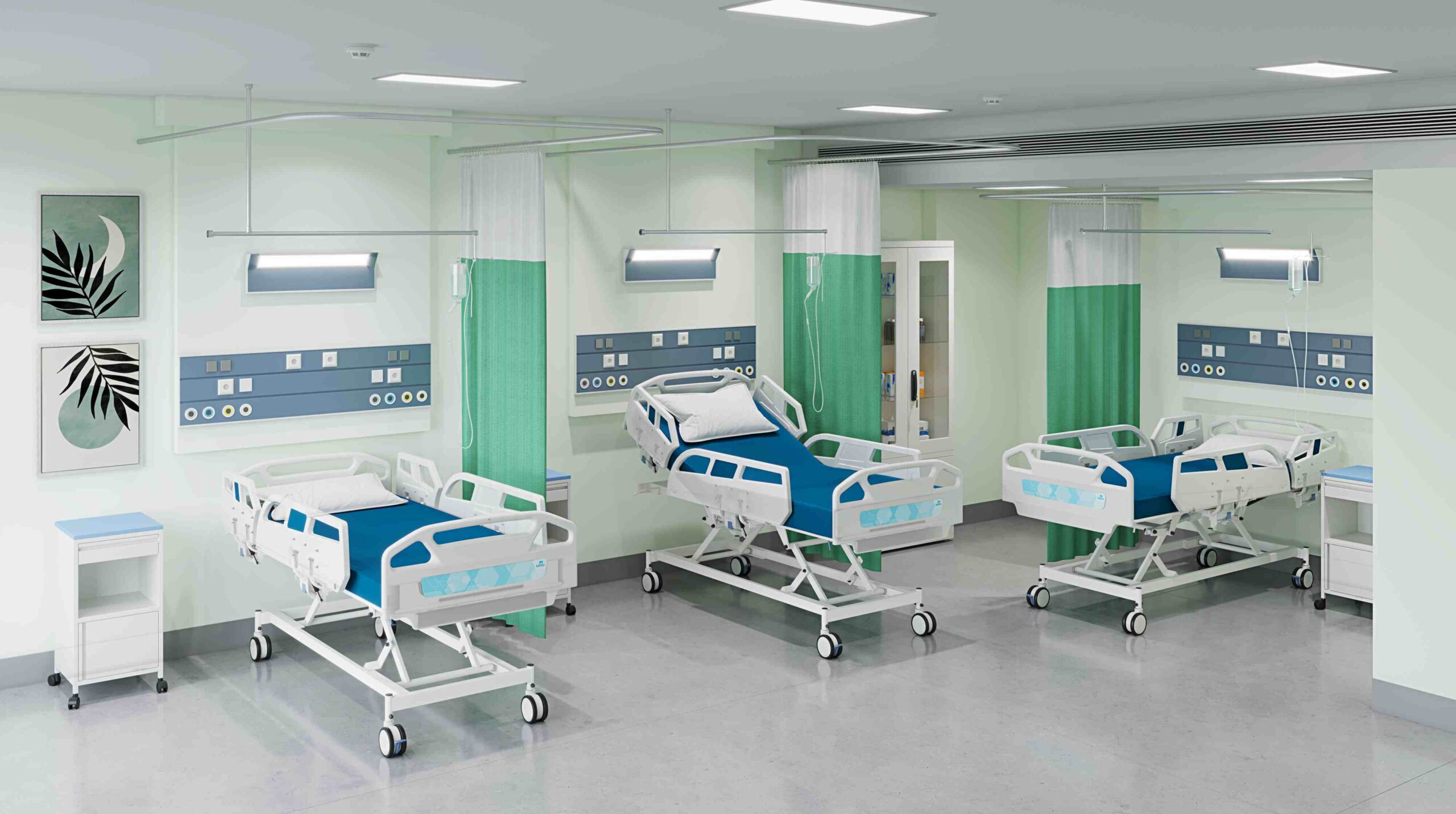
The additional funding is expected to support infrastructure development, modern medical equipment procurement, capacity building, digital health expansion, and recruitment of skilled professionals. It will also strengthen existing schemes while paving the way for new initiatives in preventive and curative care.
Experts note that higher spending on public health can significantly improve maternal and child health, expand immunization coverage, reduce out-of-pocket expenditure, and ensure better preparedness for health emergencies. Odisha’s consistent budgetary push in this direction aligns with national and global goals of achieving universal health coverage.
By focusing not just on financial allocation but also on ensuring high utilization of funds, the state aims to build a healthcare ecosystem that is resilient, inclusive, and future-ready.
Odisha’s progress in scaling up health expenditure has drawn attention because of its balance between fiscal discipline and welfare commitment. While health allocations have grown, the state has maintained prudent financial management, ensuring that spending targets are largely achieved.
Observers say this model—where budget increases are matched with high expenditure performance—could serve as an example for other states aiming to strengthen their health systems without compromising fiscal stability.
With economic growth providing fiscal space, Odisha is positioning itself to invest heavily in the health sector over the next decade. If the state achieves its 5% GSDP target, it will set a new benchmark in public health spending, potentially transforming healthcare access and outcomes for millions of its citizens.