

Odisha to Build Cold Storage Facilities in 58 Subdivisions at ₹252 Crore Investment

Initiative under PPP model aims to strengthen agri-infrastructure, reduce post-harvest losses, and empower farmers
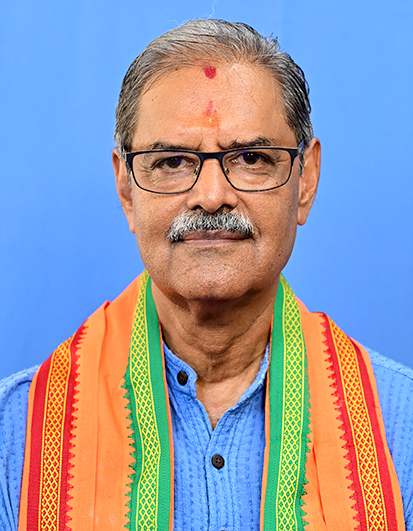
Bhubaneswar: In a major push to strengthen Odisha’s agricultural infrastructure, the state government has earmarked ₹252 crore for setting up cold storage facilities across 58 subdivisions over the next five years. The announcement was made in the Assembly by Deputy Chief Minister KV Singh Deo, who emphasized that the initiative is crucial to ensure agricultural sustainability, farmer welfare, and long-term growth of the rural economy.
The project will be implemented under the Public-Private Partnership (PPP) model, leveraging both government support and private sector expertise. According to Singh Deo, the initiative will allow farmers to store their produce, particularly perishable items, for longer periods, thereby reducing post-harvest losses and ensuring better price realization in the market.
So far, 13 applications have been received through the Go Sugam portal, Odisha’s single-window clearance platform for agricultural and allied projects. Of these, three proposals — from Puri, Jajpur, and Subarnapur districts — have already received “Go Ahead” clearance, paving the way for early execution. The state aims to replicate this model across all subdivisions, ensuring that every farming cluster has access to modern storage and supply chain infrastructure.
Officials said the cold storage plan ties in with Odisha’s larger mission to strengthen its agricultural value chain, reduce distress sales, and enable farmers to participate in an increasingly competitive market environment. By addressing storage challenges, the project is expected to bring long-term stability to the state’s agriculture sector.
The announcement also sparked a political exchange on the floor of the Assembly. Singh Deo took a swipe at BJD MLA and former Agriculture Minister Ranendra Pratap Swain, questioning why such crucial cold storage infrastructure was not developed during his tenure. He further accused the opposition of double standards, highlighting that despite their criticism, the BJP-led government has ensured the supply of over 2 lakh metric tonnes of fertilizer to farmers across Odisha.
“While artificial agitation is being created over fertilizer distribution, the reality is that farmers are receiving what they need on time. I invite legislators to visit protest sites and review the situation themselves,” Singh Deo said, urging lawmakers to look beyond politics and focus on the welfare of farmers.
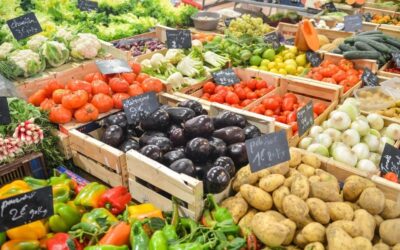
The Deputy Chief Minister reiterated the government’s commitment to creating a cold storage facility in every subdivision, describing it as a transformative step for rural Odisha. Cold storage units will not only help in extending the shelf life of perishable crops such as fruits, vegetables, and flowers but will also empower farmers to plan their sales strategically, avoiding distress pricing.
Experts believe that the move will strengthen Odisha’s agri-supply chain, encourage agri-entrepreneurship, and attract more private investment in allied sectors such as logistics, food processing, and exports. The initiative is also expected to create jobs in rural areas, both directly through the operation of facilities and indirectly through stronger agricultural trade.
Agricultural observers have welcomed the announcement, calling it a much-needed reform in a state where farmers often face losses due to the absence of adequate storage and marketing facilities. If implemented effectively, the cold storage network will serve as a cornerstone for the state’s agricultural resilience, especially in the face of climate variability and market fluctuations.
By combining government support with private participation, Odisha is aiming to not just protect its farmers from losses but also empower them to take full advantage of modern agri-business opportunities. As Singh Deo underlined in his address, the government’s broader goal is to build a farmer-centric economy where agriculture is both sustainable and profitable.