



Odisha Industries Owe Nearly ₹3,800 Crore in Water Cess Arrears

42 industrial houses, including major corporates, default on dues from multiple river sources
Bhubaneswar : The Odisha Assembly was informed that as many as 42 industrial houses, including some government organisations, have defaulted on water cess payments totaling ₹3,797.14 crore as of March 2025. The disclosure has raised concerns about the unchecked exploitation of the state’s rivers by industries and the mounting arrears owed to the exchequer.
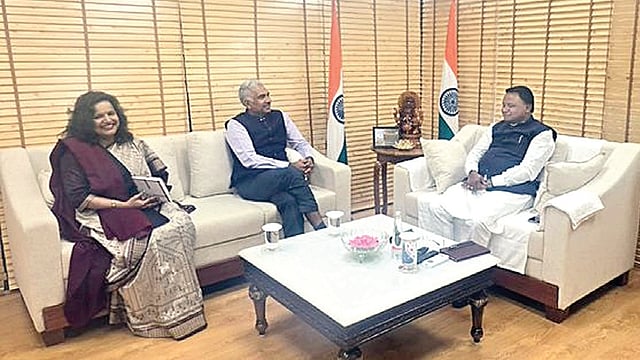
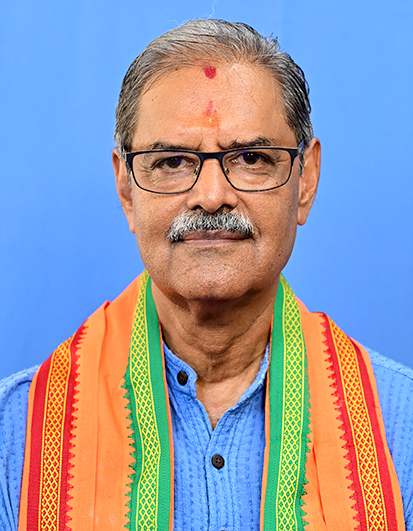
Chief Minister Mohan Charan Majhi, in a written reply to a query raised by BJP MLA Tankadhar Tripathy, revealed that the defaulting firms draw water from several major rivers in the state, including the Mahanadi, Brahmani, Baitarani, Indravati, Kolab, Rushikulya, Subarnarekha, and Nagavali.
Kolab and Mahanadi Lead in Outstanding Dues
According to the data presented in the Assembly, the highest dues are from industries sourcing water from the Kolab River, amounting to ₹1,509.28 crore. The Mahanadi, Odisha’s lifeline, is the second-largest source of arrears, with ₹962.78 crore pending.
Similarly, industries drawing from the Brahmani River owe ₹822.76 crore, while dues of ₹489.08 crore remain unpaid by units sourcing water from the Nagavali. Smaller but notable arrears include ₹1.31 crore from the Baitarani, ₹9.35 crore from the Indravati, and ₹2.56 crore from the Rushikulya.
These figures underline a pattern of non-payment across the state’s water-rich belts, raising questions about accountability and enforcement of water usage norms.
Top Corporate Defaulters Named
Among individual companies, Bhusan Power & Steel Ltd, Sambalpur, has emerged as the largest defaulter, with outstanding dues of ₹244.10 crore. Close behind are Ballarpur Industries Ltd with ₹195.83 crore, Adhunik Metaliks Ltd in Sundargarh with ₹186.65 crore, and Bhusan Steel & Strips Ltd in Dhenkanal with ₹185.05 crore. Other prominent defaulters include ArcelorMittal Nippon Steel India Ltd at Paradeep, which owes ₹108.98 crore, Viraj Steel & Energy Ltd in Sambalpur with ₹98.34 crore, Aarti Steel Ltd in Cuttack with ₹58.36 crore, and Paradeep Phosphate Ltd with arrears of ₹45.51 crore.
The figures reveal that even some of the biggest industrial players, including multinational corporations, are among those failing to meet statutory obligations.
Water, Industry, and Accountability
Water is a lifeline not just for communities and agriculture but also for industries, particularly steel, power, and fertilizers, which consume vast quantities in their operations. While these sectors contribute significantly to Odisha’s industrial economy, the mounting arrears highlight a lack of fiscal discipline and raise concerns about sustainable resource use.
Observers point out that while industries continue to expand operations and profit from natural resources, the government struggles to collect dues. The arrears, if recovered, could be channeled into strengthening water conservation, irrigation, and infrastructure projects for the wider public.
The revelation of nearly ₹3,800 crore in unpaid water cess is not just a financial issue but also a governance challenge. Allowing arrears of this scale to accumulate suggests weak enforcement and potential policy loopholes.
For a state where farmers often face water shortages, it is imperative that industries drawing large volumes of river water are held accountable. Timely payment of water tax is both a legal obligation and a moral responsibility. The government must now act decisively—whether through stricter enforcement, penalties, or suspension of water supply—to ensure that public resources are not exploited without due return to the state.
Odisha’s rivers are a shared heritage. Protecting them requires balancing industrial growth with equitable access and accountability. The arrears serve as a reminder that economic progress cannot come at the cost of ignoring dues owed to the people.