





Odisha Drafts Comprehensive Fisheries Policy for Chilika to Protect Fragile ecosystem
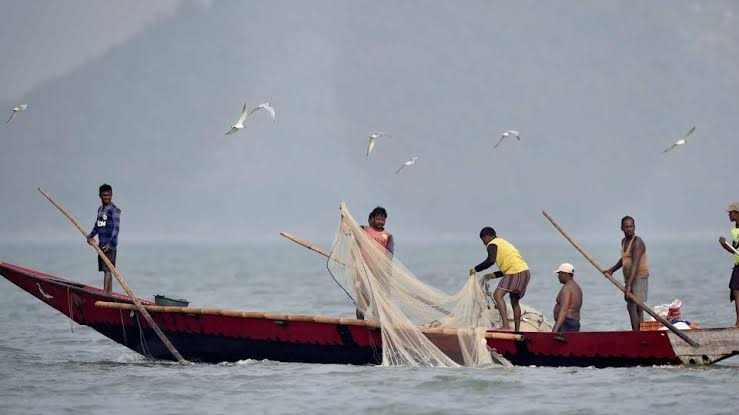
New framework to regulate fishing, curb illegal prawn farming, and promote sustainable livelihoods around Asia’s largest brackish lagoon
Bhubaneswar : The Odisha government has initiated the process of formulating a comprehensive fisheries policy for Chilika Lake, Asia’s largest brackish water lagoon, in a major step toward preserving its delicate ecosystem and securing the livelihoods of local fishing communities.
The upcoming Chilika Fisheries Policy, being drafted by the Fisheries and Animal Resources Development Department, aims to regulate fishing practices, prevent over-exploitation of aquatic resources, and promote environmentally sustainable and economically viable fisheries management. The policy will also serve as a roadmap for balancing ecological conservation with the livelihood needs of over two lakh fishermen who depend on the lake’s resources.
Expert Consultation and Draft Preparation
Former advisor to the Ministry of Earth Sciences, V. Sampad, has been roped in to assist with the drafting process. Sampad has already submitted a preliminary report to the department, outlining key recommendations for the policy’s framework. Based on his inputs, officials from related departments—including Environment, Revenue, and Tourism—have submitted their views, which are now under review.
A senior official confirmed that the draft policy will soon be finalized and submitted to the state cabinet for approval. “This policy will act as a guiding document for sustainable fishing practices and ecosystem restoration in Chilika. It will integrate scientific approaches and community participation to ensure long-term balance between livelihoods and conservation,” the official said.
Renewed Focus After Eight-Year Delay
The initiative comes at a time when there is growing pressure on the state government to revive the Odisha Regulation of Fishing and Fisheries in Chilika Bill, which has been pending for over eight years. The Bill, first proposed in 2017, was designed to regulate fishing activities, combat illegal prawn farming, and transfer leasing powers to the Chilika Development Authority (CDA) for better enforcement.
Despite multiple attempts, the Bill was never passed by the Assembly and has remained in limbo. However, the new fisheries policy is expected to draw upon its provisions to strengthen institutional and legal frameworks for managing the lake’s resources.
Tackling Ecological Threats
Chilika Lake, spread over 1,100 square kilometres across Puri, Khurda, and Ganjam districts, is home to diverse aquatic species and is recognized as a Ramsar site of international importance. However, environmentalists have repeatedly warned that unchecked fishing, illegal prawn cultivation, and encroachments have severely damaged its fragile ecosystem.
“Over the years, uncontrolled aquaculture and siltation have altered the lake’s hydrology and impacted fish breeding patterns. The new policy must ensure ecological restoration through stricter enforcement and community-led monitoring,” said a senior official from the Chilika Development Authority (CDA).
The CDA has been advocating for stronger legal backing to address issues like illegal gheri (prawn pond) expansion and unregulated fishing that threaten the lake’s biodiversity, including its famed population of Irrawaddy dolphins and migratory birds.
Balancing Livelihoods and Conservation
Fishermen’s cooperatives and local communities have welcomed the move but stressed the need for inclusive decision-making. “Any new regulation should safeguard the traditional fishing rights of local communities. We support measures against illegal prawn farming, but the focus should also be on alternative livelihoods, credit support, and sustainable tourism,” said a representative of the Chilika Matsyajibi Mahasangha.
Officials said the new policy will emphasize livelihood diversification through eco-tourism, cage culture, and value-added fisheries products, ensuring economic stability for fishing families while protecting the lake’s ecology.
A Step Toward Sustainable Blue Economy
Odisha’s efforts align with its broader goal of developing a sustainable Blue Economy through responsible management of marine and inland fisheries. The Chilika Fisheries Policy is expected to serve as a model for other coastal and wetland ecosystems in the state.
If approved, it will mark the first comprehensive fisheries policy for Chilika since Independence—signaling a major shift in how Odisha manages one of its most vital ecological and economic assets.