



Odisha Cabinet Clears New Mineral Rules to Curb Illegal Mining
State introduces stricter framework, e-lottery for minor mineral leases to plug revenue loss and modernise regulation
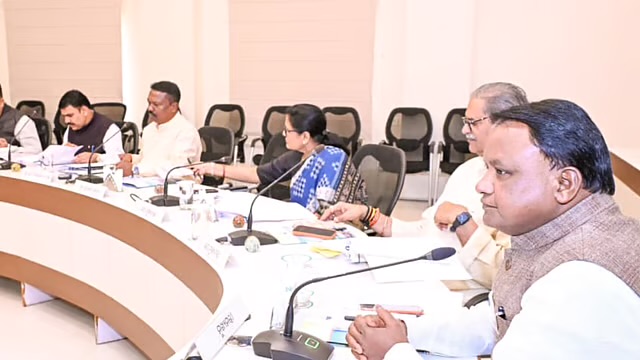
Bhubaneswar: In a major policy overhaul aimed at tightening control over illegal mining, the Odisha approved the Odisha Minerals (Prevention of Illegal Mining and Regulation of Trading, Transportation & Storage) Rules, 2025. The new rules replace the Odisha Minerals (Prevention of Theft, Smuggling and Illegal Mining and Regulation of Possession, Storage, Trading and Transportation) Rules enacted in 2007.
Chief Secretary Manoj Ahuja, briefing the media after the Cabinet meeting, said the updated rules will strengthen the legal framework for preventing illegal mining and regulating the trading, storage, and transportation of minerals across the state. The changes have been aligned with the Mines and Minerals (Development and Regulation) Act, 1957, incorporating all amendments issued to date.
The decision follows alarming findings from a performance audit by the Comptroller and Auditor General (CAG) in 2024, which reported that Odisha suffered a revenue loss of Rs 22,392 crore between 2015 and 2022. The loss stemmed primarily from undervaluation of iron ore and other minerals, misreporting of ore grades, and mining in excess of approved limits by leaseholders—clear violations of statutory rules and regulations.
Officials from the Steel and Mines Department noted that while the state amended the existing OMPTS Rules in 2021 to introduce scientific stacking and sampling methods, these measures were insufficient to fully address persistent loopholes. The amendments had also introduced drone surveillance to monitor mining activity, curb illegal transportation, and detect smuggling. However, as gaps remained, the government opted for a complete overhaul of the regulatory framework.
The newly approved 2025 rules aim to bring greater clarity, operational efficiency, and stringent enforcement provisions, ensuring accurate assessment of mineral quantity and grade while improving oversight over storage and movement. The updated measures are expected to significantly reduce irregularities and enhance the state’s revenue collection.
In another major step toward transparent mineral governance, the Cabinet approved the introduction of an e-lottery system for allotting minor mineral quarries such as sand and stone. According to Ahuja, the new allotment mechanism will speed up the leasing process, help operationalise quarries more quickly, and reduce artificial shortages that often lead to price escalation.
The revamped system includes a maximum rate-capping mechanism for minor minerals, which is intended to ensure that material is available to consumers at reasonable prices. Additionally, to prevent monopolisation and promote fair distribution, the rules now restrict individuals or entities to securing a maximum of three minor mineral leases within a district and up to five across the entire state.
The dual reform package signals Odisha’s commitment to modernising its mineral governance system, improving transparency, and protecting public revenue. With stronger regulatory tools, better surveillance, and a streamlined leasing process, the state expects to curb illegal mining more effectively while ensuring efficient mineral supply for developmental needs.