




Odisha Approves Pharma & MedTech Policy 2025
New parks, major investments, and sector reforms set to accelerate healthcare, textile, and fisheries growth
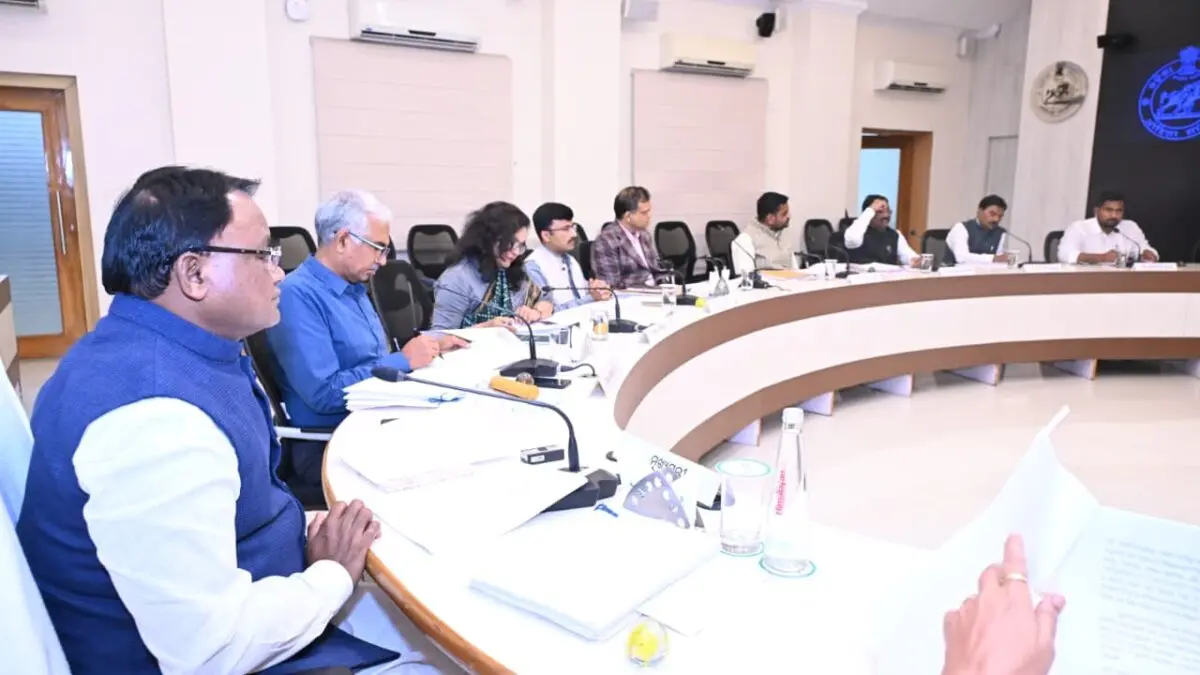
Bhubaneswar: Odisha has taken a significant step toward strengthening its healthcare and industrial ecosystem with the state cabinet, chaired by Chief Minister Mohan Charan Majhi, approving the Odisha Pharma and Medical Device Policy 2025. The move aims to position the state as a competitive destination for pharmaceutical manufacturing, medical device production, and biotechnology innovation.
Under the new policy, Odisha will establish two major facilities—the Odisha Pharma Park and the Odisha MedTech Park. These parks are expected to attract large-scale investments, boost high-quality manufacturing, and create new employment opportunities. The Odisha Pharma Development Cell will function as the nodal agency, while IPICOL-IDCO will develop the required infrastructure and investor-ready industrial zones.
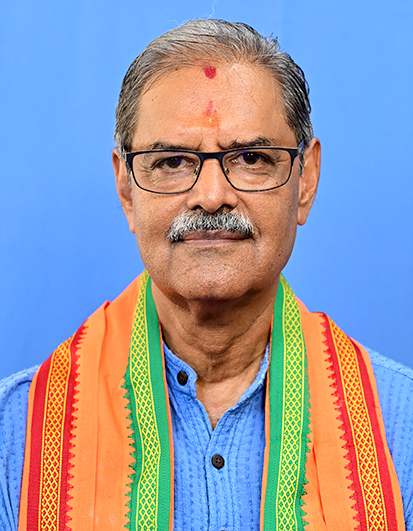
Along with the pharma policy, the cabinet also approved six additional proposals, including two major schemes designed to uplift the textile-handloom and sericulture sectors. Parliamentary Affairs Minister Mukesh Mahaling announced the decisions in the Assembly, highlighting the state’s focus on generating employment and strengthening traditional industries.
One of the flagship schemes, Mukhyamantri Bayan Shilpa Bikas Yojana (MBSBY), has been allocated Rs 490 crore for the next five years. The scheme aims to attract new investments, upgrade weaving infrastructure, foster innovation in the apparel and technical textile sectors, and support local artisans. By aligning with the Odisha Apparel and Technical Textile Policy 2022 and the Industrial Policy Resolution 2015, the initiative seeks to position Odisha as a rising weaving and textile manufacturing hub.
Similarly, the Mukhyamantri Resham Bikas Yojana (MRBY) has been granted Rs 274 crore over five years to revitalise the state’s sericulture sector. The funds will be used for infrastructure improvement, skill development, silkworm seed production, species conservation, and incentives for farmers. The government also plans to strengthen cooperative societies to ensure fair pricing and prevent distress sales, offering better income stability for silk farmers.
In another major decision, the cabinet approved the restructuring of the Odisha Fisheries Service cadre to enhance fish production and streamline implementation of development schemes. The number of additional director-level posts will increase from two to four, joint directors from three to 19, and deputy directors from 18 to 119. An additional 195 Group-A posts for block fisheries officers and assistant fisheries officers have also been created, marking a significant expansion of technical manpower in the sector.
The Higher Education Department’s proposal for a uniform reservation policy across all state government universities also received approval. Under the new system, each university will be treated as a single unit for faculty recruitment, replacing the earlier department-wise reservation structure. This is expected to ensure more transparency, fairness, and consistency in the hiring of professors, associate professors, and assistant professors.
With the approval of the Pharma and MedTech Policy 2025 and other sector-focused reforms, Odisha is gearing up for accelerated economic development, improved healthcare manufacturing capacity, and long-term job creation across multiple industries.