

Chilika Lake to Get Long-Term Protection Plan
Odisha to prepare DPR with IIT Madras support to restore Asia’s largest brackish water lagoon
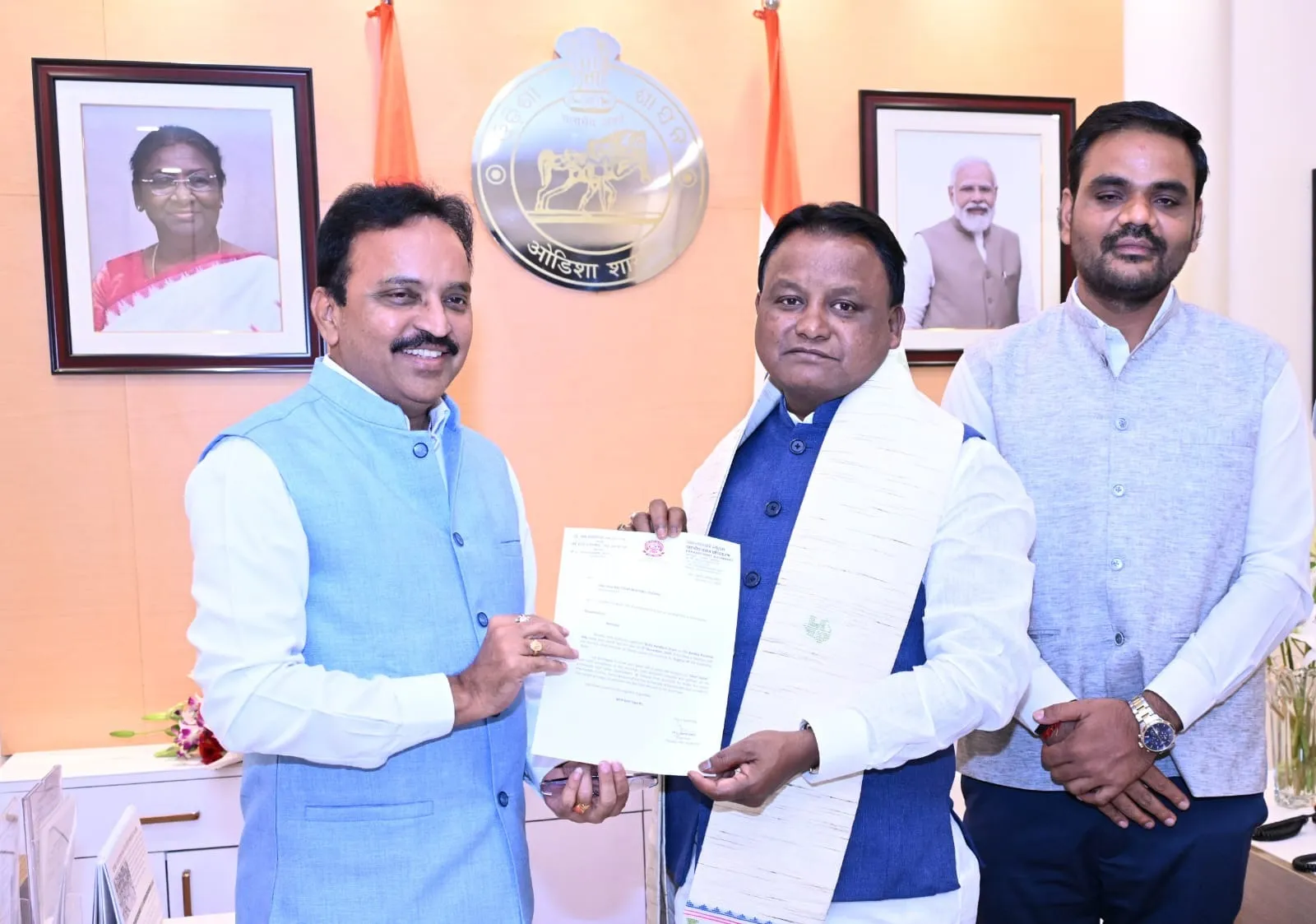
Bhubaneswar: The Odisha government will soon prepare a detailed project report (DPR) aimed at ensuring the long-term protection of Chilika Lake and restoring its fragile ecosystem. Forest, Environment and Climate Change Minister Ganesh Ram Singhkhuntia announced the plan while responding to questions in the Assembly.
State Partners With IIT Madras for Technical Expertise
The minister said that IIT Madras will provide technical support for the DPR. The project will primarily focus on addressing the growing problem of siltation, which is threatening the health, depth, and biodiversity of the lake.
Singhkhuntia explained that Chilika’s depth currently varies from 0.38 meters to 6.20 meters. However, the lagoon is gradually becoming shallower as around eight lakh tonnes of silt flow into it every year from rivers, tributaries, and canals in the catchment area. Irregular rainfall patterns caused by climate change, along with floods and cyclones, add even more silt, worsening the situation.
Improving Water Quality in Rivers Feeding Chilika
Responding to another question from MLA Om Prakash Mishra, the minister informed the House that the Forest Department has instructed several departments—including Housing and Urban Development, Public Health Engineering, Odisha Water Supply and Sewerage Board, and district administrations—to take corrective steps to improve the water quality of rivers that flow into Chilika.
These rivers include the Daya, Bhargavi, and Ratnachira, which supply fresh water to the lake and play a crucial role in maintaining its ecological balance.
Water Sampling Shows Mixed Results
The state government has been conducting regular water sampling from these rivers. According to the analysis for January to September 2025, the water quality of the Bhargavi and Ratnachira rivers falls within Class C, meaning they are suitable for certain uses but still require improvement.
However, the Daya River has shown higher levels of Biological Oxygen Demand (BOD) and total coliform (TC) on several occasions, crossing the prescribed limits. These indicators reflect organic pollution and bacterial contamination, both of which can harm aquatic life and affect the health of Chilika Lake.
Long-Term Goal: Restore and Protect Chilika
The upcoming DPR will lay out a comprehensive plan to manage siltation, improve water quality, and revive Chilika’s natural ecosystems. This includes protecting fish breeding grounds, supporting migratory bird habitats, and preserving the livelihoods of local communities that depend on the lake.
With the involvement of IIT Madras and coordinated efforts across multiple government departments, Odisha aims to restore Chilika Lake’s ecological stability and secure its future as one of India’s most important wetlands.