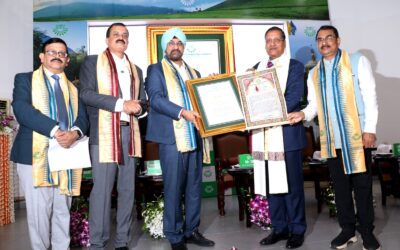

Odisha Showcases Democratic Strength During Global Parliamentary Exchange
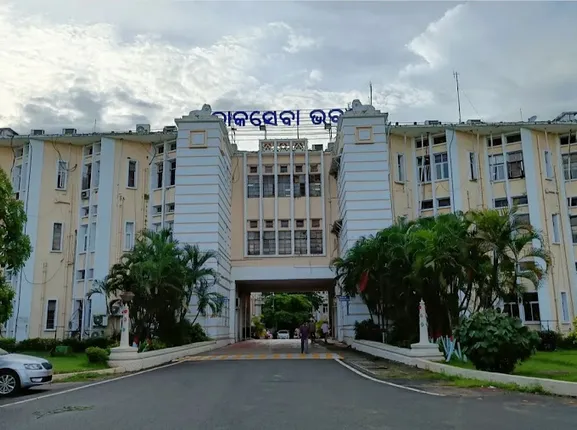
CM Majhi highlights Assembly’s digital leadership, rich cultural heritage, and 89-year democratic legacy as delegates from 12 nations visit Bhubaneswar
Bhubaneswar: Odisha positioned itself firmly on the global democratic map today as Chief Minister Mohan Charan Majhi welcomed 40 young parliamentary representatives from 12 countries at Lok Seva Bhawan. The interaction, held under the 37th Parliamentary Internship Program organised by PRIDE (Parliamentary Research and Training Institute for Democracies) under the Parliament Secretariat, New Delhi, offered delegates a close look at Odisha’s evolving governance model and vibrant cultural identity.
Chief Minister Majhi opened the session by emphasising the Odisha Legislative Assembly’s historic legacy spanning nearly nine decades. He described the Assembly as a pillar of India’s democratic journey, noting that its procedural strength and commitment to public service make it one of the most disciplined and efficient legislatures in the country.
Highlighting recent milestones, the Chief Minister pointed to the Assembly’s active legislative calendar—from June 2024 to June 2025, the House held 62 sittings, including a marathon 12-hour 25-minute debate on the Odisha University (Amendment) Bill, 2024. Majhi said such extended debates reflect Odisha’s belief in exhaustive and meaningful discussions on public issues.
A major focus of the interaction was Odisha’s impressive digital transformation within the legislative space. Majhi showcased the state’s complete implementation of the National e-Vidhan Application (NeVA), making the Assembly paperless and prompt in information sharing. He explained how OSWAS (Odisha Secretariat Workflow Automation System) has streamlined governance, while the adoption of AI tools for indexing and research has accelerated legislative output and improved documentation standards.
These innovations recently earned the Odisha Assembly a national award for excellence in digital applications—an achievement the CM said reflects Odisha’s determination to blend tradition with modernity.
Beyond the House proceedings, Majhi underscored the crucial role played by parliamentary committees, referring to them as “mini-parliaments.” Odisha has 25 such committees, including 10 departmental standing committees, which scrutinize governance issues and provide detailed oversight. Their work, he said, strengthens the democratic process by ensuring accountability and transparency.
The Chief Minister also shared insights about Odisha’s hosting of the national conference for chairpersons of Scheduled Caste and Scheduled Tribe committees, affirming the state’s commitment to inclusive and socially sensitive governance.
On the cultural front, Majhi portrayed Odisha as the “cultural nucleus of Eastern India,” known for its ancient temples, classical arts, spiritual heritage, and unique traditions. Delegates had already toured Puri, Konark, Dhauli, and other historic landmarks—experiences that left them deeply impressed by the state’s hospitality and cultural richness.
Rajya Sabha MP Sujit Kumar, who joined the interaction, lauded the Odisha Assembly as a model for constructive debates, decorum, and technological innovation. He noted that programs like the parliamentary internship serve as bridges between democracies, giving global youth leaders an opportunity to observe India’s legislative ecosystem from close quarters.
Members of the delegation echoed this sentiment. Kerimguly Gurbangulyyevich Geldiyev, a representative from the Majlis (Parliament) of Turkmenistan, praised Odisha’s commitment to transparent parliamentary practices and its demonstrable progress in adopting digital governance tools. He called the visit an “enriching and unforgettable” experience.
The event drew participation from key state officials, including Chief Secretary Manoj Ahuja, Development Commissioner Anu Garg, Additional Chief Secretary (Parliamentary Affairs) Surendra Kumar, Odisha Assembly Secretary Satyabrata Rout, PRIDE Director Prashant Mallick, and senior officers from the Chief Minister’s Office.
As the 37th Parliamentary Internship Program continues, today’s interaction not only deepened international understanding of India’s democratic systems but also positioned Odisha as an emerging leader in legislative innovation, cultural diplomacy, and inclusive governance.