

‘Western Odisha Gets 556 New Enterprises Under PMEGP, ₹13.5 Cr Disbursed’
Initiative creates over 6,000 jobs across 10 districts, boosting rural entrepreneurship and livelihoods
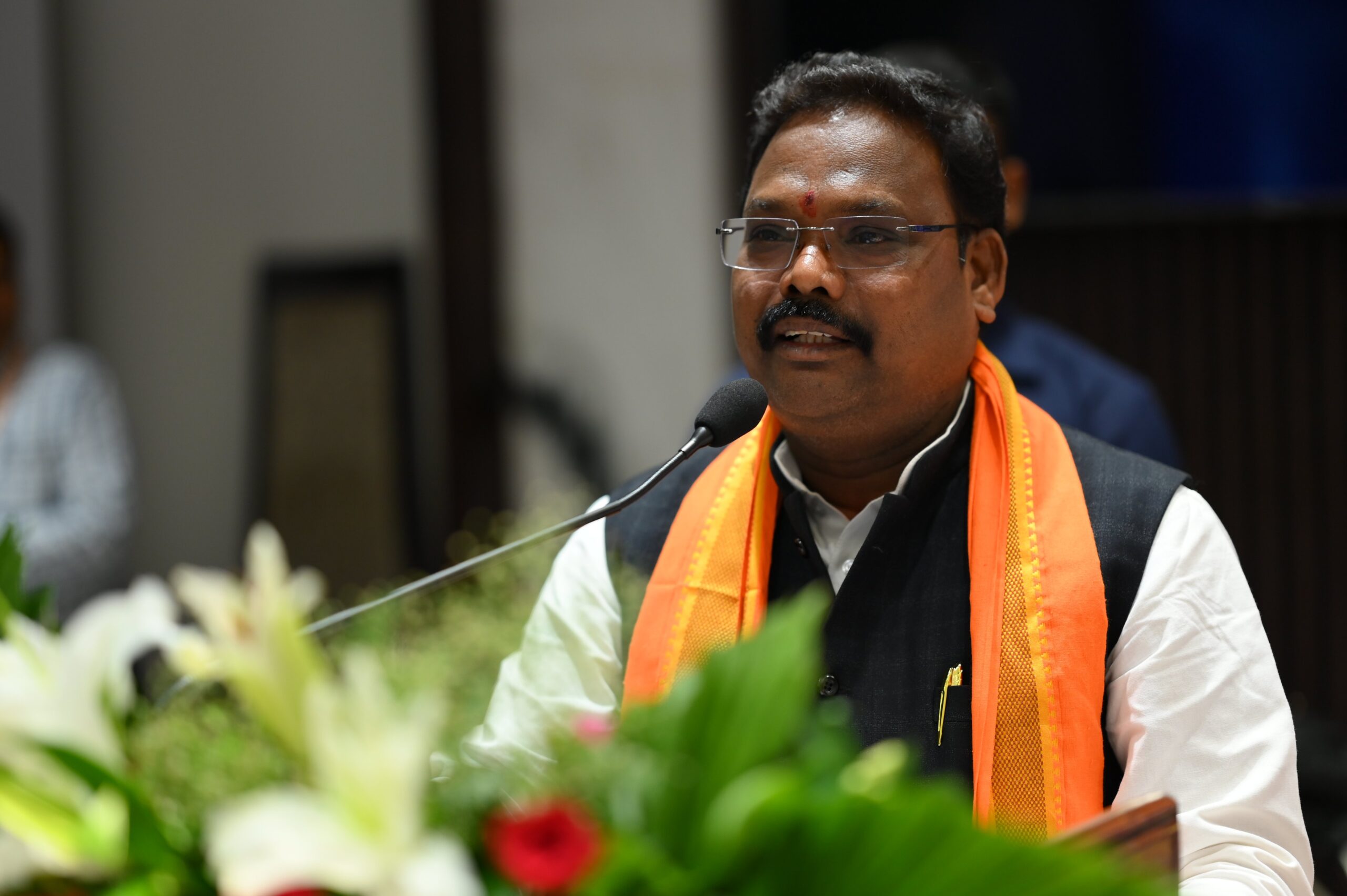
Bhubaneswar: In a significant push to promote rural entrepreneurship and self-employment, as many as 556 new enterprises have been successfully established under the Prime Minister’s Employment Generation Programme (PMEGP) in 10 districts of Western Odisha during the financial year 2024-25. The information was shared by Micro, Small and Medium Enterprises (MSME) Minister Gokulananda Mallick in the Odisha Assembly.
According to the minister, margin money assistance worth ₹1,352.39 lakh has already been released for these enterprises, underscoring the government’s commitment to supporting small businesses with initial financial backing. The programme, he added, is projected to generate employment for nearly 6,116 individuals across the districts, providing a vital boost to local economies.
Responding to a written question raised by Bhawanipatna (SC) MLA Sagar Charan Das, Minister Mallick highlighted the geographical distribution of enterprises set up under the scheme. Bargarh district led the tally with 102 new ventures, followed by Sundergarh with 82 and Bolangir with 71. Other districts contributing to the entrepreneurship surge include Sambalpur (59), Kalahandi (49), Deogarh (46), Nuapada (45), Sonepur (41), Jharsuguda (37), and Boudh (24).
“These figures reflect the increasing interest among youth and small entrepreneurs in Western Odisha to explore self-employment opportunities. PMEGP has emerged as a transformative initiative, particularly in semi-urban and rural regions, where access to organized employment remains limited,” Mallick said.
The minister emphasized that the newly established enterprises are expected to create direct employment opportunities for over 6,100 individuals, apart from indirect livelihood prospects for many more. Given the economic challenges in Western Odisha, including migration to other states in search of work, the scheme is expected to encourage local entrepreneurship and reduce dependence on seasonal labor markets.
“PMEGP not only helps in creating jobs but also nurtures the entrepreneurial ecosystem by empowering individuals to start small businesses with government support. These enterprises range from small manufacturing units and service-based ventures to agro-processing activities, which are aligned with local needs and resources,” he added.
The margin money released under the scheme acts as a subsidy to bridge the financing gap faced by first-time entrepreneurs. By easing credit access and reducing financial risks, PMEGP enables aspiring business owners to turn their ideas into viable enterprises. The government has been working with banks and implementing agencies to ensure timely disbursal of funds.
Officials noted that this initiative plays a crucial role in uplifting disadvantaged groups, including Scheduled Castes, Scheduled Tribes, women, and youth in backward regions, by giving them an avenue to achieve economic independence.
Western Odisha has historically lagged behind coastal districts in terms of industrial growth. However, initiatives like PMEGP are beginning to bridge the gap by fostering micro and small-scale industries at the grassroots level. Experts believe that the success of these 556 enterprises will have a multiplier effect on regional growth by stimulating local supply chains, improving rural incomes, and generating community-based employment.
“The establishment of these enterprises is not just about job numbers. It is about empowering local communities, building confidence in self-reliance, and encouraging young people to innovate within their environment,” an MSME official said.
The Odisha government has reiterated its commitment to expanding the PMEGP footprint in other districts as well. By leveraging this scheme, it aims to strengthen the state’s MSME sector, which already contributes significantly to employment generation and Gross State Domestic Product (GSDP).
Minister Mallick assured the House that continuous monitoring and capacity-building programmes would accompany financial support to ensure that new entrepreneurs receive both financial and technical guidance. “We are determined to create an enabling environment where every small enterprise has the opportunity to thrive,” he concluded.