



Odisha Plans Major Boost to Seafood Cold Chain
State agencies and MPEDA outline measures to safeguard exporters, enhance logistics, and tap new global markets
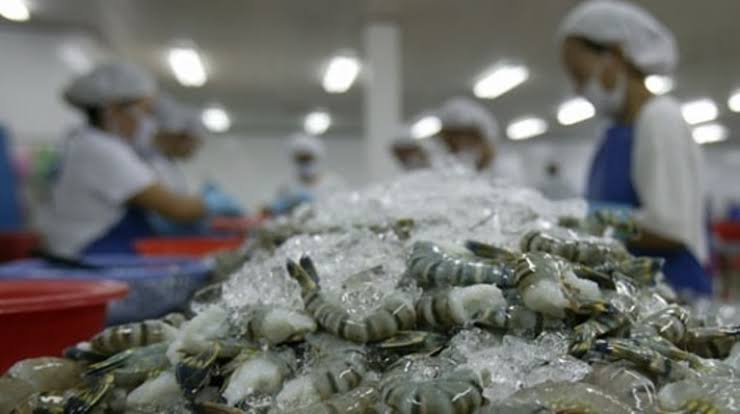
Bhubaneswar : Odisha’s seafood sector, a critical contributor to the state’s export economy, is bracing for turbulent times following the United States’ decision to impose a steep 50% tariff on seafood imports. With frozen shrimp and fish forming the backbone of Odisha’s export basket, stakeholders fear a significant dent in earnings. In response, the Micro, Small and Medium Enterprises (MSME) department, the Marine Products Export Development Authority (MPEDA), and other agencies have drawn up an ambitious roadmap to strengthen cold chain logistics and diversify export destinations.
Tariff Trouble Hits Shrimp Exports
The United States has long been Odisha’s largest market for frozen seafood, particularly shrimp. The sudden tariff hike has disrupted business equations, threatening the livelihoods of thousands dependent on aquaculture, processing, and exports.
“Frozen shrimp and fish remain Odisha’s top export items, with the US continuing as the largest market,” noted MPEDA state coordinator Subhrakant Mohapatra. Recognizing the urgency, a high-level meeting held on September 12 brought together senior bureaucrats, port authorities, customs, fisheries officials, and exporters to chalk out corrective measures.
Strengthening Cold Chain Infrastructure
Among the key decisions was the plan to establish additional refrigerated container (reefer) points at Paradip Port, a crucial export gateway. Improved quality certification and quarantine facilities at the port level are also on the cards, aimed at ensuring compliance with global standards.
Another significant proposal is the creation of a dedicated seafood cargo corridor linking Paradip Port with the Biju Patnaik International Airport (BPIA) in Bhubaneswar. Such a corridor would streamline the movement of perishable goods, reducing transit time and losses.
Push for Air Cargo and International Connectivity
The MPEDA has also pitched for dedicated cargo flights and belly cargo space in passenger flights to carry chilled or live fish. A state-of-the-art perishable cargo handling centre with modern cold storage is proposed at BPIA to make the airport a reliable hub for seafood exports.
The authority further recommended promoting direct international flights from Bhubaneswar to markets in the Middle East and Southeast Asia, regions with surging seafood demand. Incentives and subsidies for exporters using reefer containers and air cargo were also suggested to cushion the impact of rising costs.
Exploring New Markets Beyond the US
Given the heavy reliance on the US market, experts stress the need for diversification. The MPEDA has initiated talks with the LuLu Seafood Group, a Gulf-based retail chain with strong distribution networks across the Middle East. Odisha hopes that partnerships with such players will open alternative markets and offset the decline in American demand.
The plan also includes hosting large-scale buyer-seller meets in Odisha, where international seafood buyers will interact directly with local exporters. Such initiatives are expected to showcase Odisha’s potential as a sustainable and reliable seafood supplier.
High-Level Backing for Export Revival
The meeting to chart the rescue plan was chaired by Odisha chief secretary Manoj Ahuja, with participation from MSME principal secretary Saswat Mishra, fisheries officials, Paradip Port Trust, customs, and airport authorities. Their involvement underlines the state’s recognition of seafood as both an economic driver and a sector in distress.
While the tariff shock from the US has cast a shadow over Odisha’s seafood economy, it may also serve as a wake-up call. Overdependence on a single market makes exporters vulnerable to policy shifts abroad. The current crisis provides Odisha with an opportunity to upgrade logistics, modernize infrastructure, and diversify markets.
If the proposed measures—from air cargo corridors to international buyer tie-ups—are implemented swiftly, Odisha could emerge stronger, with a more resilient seafood export ecosystem. The state must now balance immediate relief with long-term strategy, ensuring that its shrimp and fish farmers do not merely survive this blow, but find new waters to thrive in.